Church Road Willesden Waste Clearance Costs Explained

If you are trying to make sense of Church Road Willesden waste clearance costs, you are probably juggling a few things at once: clutter, timing, access, and the fear of paying over the odds. Fair enough. Nobody wants a surprise bill, especially when the job feels bigger than it looked at first glance. This guide breaks the pricing down in plain English, so you can understand what affects the cost, what a fair quote usually reflects, and how to avoid the little pitfalls that make clearance work pricier than it should be.
We will look at how waste clearance pricing is usually worked out, where the real value sits, when it makes sense to book a full clearance rather than piecemeal removals, and how to compare quotes without getting lost in jargon. If you are in Willesden and the pile at the back of the property has become one of those "deal with it later" jobs, this should help. And yes, we'll keep it practical.
Why Church Road Willesden Waste Clearance Costs Explained Matters
Pricing is often the first question people ask, and for good reason. Waste clearance is one of those services where the visible part of the job is only half the story. You see the sofa in the hallway, the bags in the loft, or the broken bits in the garden. What you do not see straight away is the labour, lifting, transport, sorting, disposal route, and time on site that all sit behind the quote.
On Church Road and the surrounding Willesden streets, access can also play a real part. Narrow parking, stairs, shared entrances, basement flats, or a property with awkward rear access can all affect how long the job takes. That is not a gimmick. It is just how real-world clearance works. A small job that looks straightforward from the pavement can become a two-person carry from the third floor. Suddenly the price makes a lot more sense.
Understanding the cost structure matters because it helps you compare like with like. One company may quote a low headline figure, then add charges for loading, heavy items, restricted access, or disposal. Another may quote a little more but include the lot. Which is actually cheaper? That depends on the detail, not the headline.
If you are also comparing wider services, it can help to look at the difference between simple rubbish uplift and fuller property clearances such as house clearance, flat clearance, or home clearance. Each one can carry a different workload, and that affects pricing more than most people expect.
Practical takeaway: the best quote is not always the cheapest. It is the one that reflects the actual volume, access, labour, and disposal needs with no awkward add-ons hiding in the small print.
How Church Road Willesden Waste Clearance Costs Explained Works
Most waste clearance pricing follows a fairly simple pattern, even if the wording in quotes sometimes sounds oddly formal. In plain terms, the provider estimates how much waste there is, what type it is, how hard it will be to remove, and where it needs to go. Then they price the job based on time, vehicle space, labour, and disposal costs.
For many households, the cost is influenced by a few main factors:
- Volume: how much space the waste takes up in a van or truck.
- Weight: heavy materials such as rubble, soil, or mixed builder's waste can cost more.
- Type of waste: furniture, green waste, office waste, and construction debris are handled differently.
- Access: stairs, parking distance, and awkward entry points affect labour time.
- Urgency: same-day or urgent collection may cost more than a flexible booking.
- Sorting required: mixed loads sometimes take longer to separate and process properly.
That said, pricing is not always perfectly linear. A half-van load can sometimes cost more per item than a full load because the job still requires a minimum call-out, fuel, loading time, and disposal handling. It can feel a bit counterintuitive, but that is normal.
In many cases, you will get the clearest answer by requesting a site-based quote or providing detailed photos. A few pictures in good light, taken from different angles, are often enough to show the true scope. A dark corner shot at 7am? Less useful, to be fair.
If the waste includes items like old tables, wardrobes, mattresses, or mixed household belongings, a specialist service such as furniture clearance or furniture disposal may be more appropriate than a generic rubbish collection. That can improve both cost accuracy and the final service experience.
Key Benefits and Practical Advantages
Once you understand how waste clearance costs are built, the value becomes easier to see. You are not only paying for removal. You are paying to reduce risk, save time, and avoid doing heavy lifting in the wrong shoes on a wet afternoon. Let's face it, that last part alone has value.
Some of the main benefits are straightforward:
- Less stress: one booked job can remove a week's worth of "I'll sort it later" thinking.
- Time savings: a team can move items much faster than one person doing multiple trips.
- Safer handling: bulky furniture, sharp debris, and heavy bags are carried properly.
- Cleaner finish: professional clearance usually leaves the space tidy, not half-done.
- Better disposal outcomes: reusable or recyclable materials can be sorted more effectively.
There is also the planning benefit. Once you know what a clearance is likely to cost, it becomes easier to budget for a move, a refurbishment, probate work, tenant turnover, or a long-overdue declutter. A clear quote lets you make decisions instead of guessing.
For business premises, this matters too. Office or commercial waste often builds up around old desks, boxes, shelving, and archive materials. Services like office clearance and business waste removal can help keep disruption under control while you move people through the space.
Who This Is For and When It Makes Sense
This sort of clearance is not just for people doing a full property empty-out. In reality, many jobs are smaller and more specific. You might need a clearance because a loft is packed with old boxes and broken lamps. Or the garage has turned into a storage cave. Or you are clearing a rental flat between tenants and need it done quickly, without fuss.
Common scenarios include:
- homeowners dealing with spring decluttering or moving house
- landlords preparing a property for re-let
- families sorting an inherited property
- tenants leaving bulky items behind
- local businesses removing outdated furniture or stock waste
- builders or renovators needing debris removed after a project
There is no single "best" time to book, but it often makes sense when the clutter has crossed the line from inconvenience into obstacle. If you are stepping over boxes to get to the airing cupboard, or the shed no longer opens fully, that is usually the sign.
Different property types have different cost patterns too. For example, a compact flat may be simple in volume but slower because of stairs or shared access. A larger house may have more items, but easier loading. That is why rough guesses based only on square footage can miss the mark.
For awkward spaces, targeted services such as loft clearance, garage clearance, or garden clearance can be a better fit than treating everything as one generic job.
Step-by-Step Guidance
If you want a good quote and a smooth job, the process is usually simple. Not glamorous, but simple. Here is the practical version.
- Identify the waste clearly. Make a quick list of what is going, including furniture, bags, green waste, rubble, or mixed items.
- Check access. Note stairs, parking restrictions, narrow hallways, lifts, and anything else that could affect loading.
- Take photos. A few well-lit pictures from different angles help the provider estimate fairly.
- Separate special items. If there are heavy, fragile, or unusual items, mention them early.
- Ask what is included. Confirm labour, loading, disposal, and any possible extras before booking.
- Choose the right service. A full clearance, partial clearance, or specialist rubbish removal may suit the job better.
- Prepare the area. Move personal valuables, keep doors unlocked if needed, and make the route as clear as possible.
- Review the final breakdown. Make sure the service matches what was described in the quote.
That last step matters. A quote should feel like a conversation that has been nailed down properly, not a vague promise. If anything in the description feels fuzzy, ask for clarity. It is much easier before the van arrives.
For property-wide clear-outs, many people find it helpful to combine waste removal with a broader clear-down, especially if there are mixed items still to sort. A general waste removal service can work well when the job is less about one category and more about getting the place back under control.
Expert Tips for Better Results
Good clearance pricing is part preparation, part communication, and part common sense. A few small choices can shave time off the job and make the quote more accurate.
- Group similar items together. Furniture in one spot, bags in another, garden waste in one pile. It sounds basic, but it helps.
- Be honest about access. If the parking is tight or the lift is broken, say so. Surprises rarely help anyone.
- Photograph everything. Include the items, the route out, and any awkward corners. A photo of the exit path can be as useful as a photo of the waste itself.
- Ask about recycling. If sustainability matters to you, ask how mixed loads are handled. Many people do, and rightly so.
- Compare full-service quotes. A lower number can be misleading if it excludes labour or disposal.
One small but useful trick: if you are unsure whether a room needs full clearance or just a light removal, ask for both possibilities. That gives you a clean comparison and avoids paying for more than you need. It also helps if the job is half clutter, half old furniture, which is more common than you might think.
If you want to understand the provider better before booking, it can be worth reading their about us page and checking how they talk about recycling and sustainability. That does not tell you everything, but it gives a useful sense of how they work.
Common Mistakes to Avoid
Most pricing problems come from avoidable mistakes, not mystery fees. A few are especially common.
- Giving a vague description. "Some stuff in the house" is too loose. The provider cannot price air.
- Forgetting hidden areas. Lofts, sheds, cupboards, and under-stair storage often contain more than expected.
- Ignoring access issues. A narrow staircase or no parking can change the job a lot.
- Mixing waste types without saying so. Builders' debris, garden waste, and furniture may need different handling.
- Chasing the cheapest quote only. Low prices can look appealing until extras appear.
- Not checking what happens to the waste. Responsible handling matters, especially for mixed or recyclable material.
A classic one: people estimate a "small van load" because the items are compact, then forget that a mattress, broken wardrobe, and three black bags eat space in odd ways. The van fills faster than expected. It happens all the time. Not a disaster, just something to keep in mind.
If the job involves renovation leftovers or rubble, specialist handling can matter. You may need something more aligned with builders waste clearance rather than a standard household uplift. That difference can affect price and process quite a bit.
Tools, Resources and Recommendations
You do not need special equipment to prepare for a waste clearance, but a few practical tools make the job easier and the quote more accurate.
- Phone camera: use it to document the waste and access route.
- Basic tape measure: helpful for bulky furniture, sheds, or awkward spaces.
- Notepad or phone notes: jot down what is included, especially if the property has multiple storage areas.
- Torches or good lighting: useful for lofts, garages, and darker corners.
- Gloves and sturdy shoes: handy if you are sorting through items before collection.
For people who want to understand service options before booking, a pricing page can be useful because it usually sets out how quotes are formed and what kinds of jobs are covered. You may also want to look at the relevant service pages for your situation, such as garage clearance or loft clearance, depending on where the clutter actually lives. And yes, clutter always seems to breed in the one room you had forgotten about.
If your priority is peace of mind around booking and payment, it is sensible to review payment and security information before committing. Small detail, big reassurance.
Law, Compliance, Standards, or Best Practice
Waste clearance is not just about lifting things out of a property. There is also a duty to handle waste properly and safely. In the UK, responsible waste carriers are expected to manage disposal in line with applicable rules and good practice, and customers should be careful not to hand waste to anyone operating carelessly or without the right arrangements.
From a homeowner or business perspective, the practical best practice is simple:
- use a provider that is transparent about what happens to the waste
- ask whether items are reused, recycled, or disposed of through proper channels
- keep a clear record of the booking and quote
- make sure hazardous or unusual items are declared in advance
There is also a safety side. Heavy lifting, sharp edges, broken glass, old fixtures, and damp waste all carry risk. A professional team should work in a way that reduces the chance of damage to your property and limits injury risk on site. If a company has clear information about health and safety and insurance and safety, that is a reassuring sign, especially for larger or more awkward jobs.
For businesses, there is another layer of care around storage, access, and disruption. If your workplace needs a tidy, efficient clearance without turning the day upside down, commercial handling through office clearance or business waste removal is usually a better fit than trying to improvise with ad hoc trips.
Options, Methods, or Comparison Table
Different types of clearance suit different situations. Here is a simple comparison to help you decide what makes the most sense.
| Option | Best for | Typical cost factors | Useful when |
|---|---|---|---|
| Single-item removal | One sofa, mattress, or bulky item | Item size, access, loading time | You only need one awkward item gone |
| Partial clearance | One room, loft section, garage corner | Volume, labour, access, sorting | You want to clear a specific area without emptying the whole property |
| Full property clearance | Homes, flats, probate properties, end-of-tenancy jobs | Volume, team size, disposal mix, access | There is a lot to remove and speed matters |
| Specialist waste removal | Mixed waste, rubble, garden waste, trade debris | Weight, waste type, handling needs | The waste is not mainly household items |
As a rule, the more you can define the job at the start, the better the fit. A full clearance is efficient when there is a lot to remove. A smaller, focused removal can be more cost-effective when the job is tidy and contained. If you are not sure, ask for two versions of the quote. It is a simple request and usually worth it.
Case Study or Real-World Example
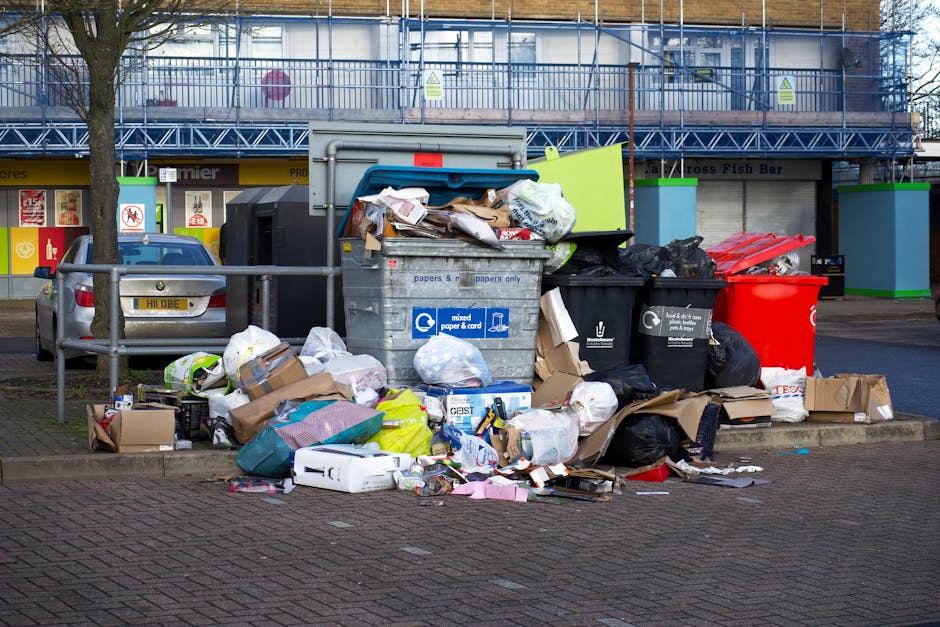
Picture a typical Willesden situation. A resident on or near Church Road has a front room full of mixed items after a long period of storage: an old armchair, a broken chest of drawers, several bags of general household waste, and a couple of boxes that have been sitting there so long nobody remembers what is inside them. The room looks manageable at first. Then you notice the stairwell is narrow, the parking is limited, and the best exit route takes the team through a shared hallway.
In a case like that, the cost is not driven by one giant item. It is driven by the combination of access, time, and mixed loading. The team may need to move carefully, protect corners, and make several trips to the vehicle. The quote should reflect that. A provider who simply says "small job" without checking the stairs is probably guessing, and guessing is not pricing.
Now compare that with a loft clearance where the access is tight but the waste is already boxed and grouped. Even if the loft is dusty and a bit awkward, the job may be more efficient because everything is in one place. Same volume, different handling. Different cost. That is the bit many people miss.
In our experience, the best outcomes happen when the customer sends clear photos and gives a straight description, even if the situation is messy. No judgement needed. The room has already done that for you.
Practical Checklist
Use this before you request a quote or book a clearance.
- Identify every room, space, or outdoor area involved.
- Note whether the job is household waste, furniture, garden waste, builders' debris, or mixed.
- Check for stairs, tight corridors, parking limits, and any lift access.
- Take photos in daylight where possible.
- Separate anything you want to keep before the team arrives.
- Ask what is included in the price.
- Confirm whether the provider can handle bulky or specialist items.
- Check payment terms and booking details.
- Ask about recycling or reuse where relevant.
- Make sure the quote matches the actual job you want done.
If the job is partly furniture-related, you may also want to look at furniture clearance or furniture disposal so you can match the service to the item type rather than forcing everything into one bucket. That usually saves hassle.
Conclusion
Church Road Willesden waste clearance costs are easiest to understand once you look beyond the surface and focus on the real drivers: volume, weight, access, labour, and disposal handling. Once you know those, the quote becomes less mysterious and a lot easier to judge. That is really the whole game.
If you are clearing a flat, house, loft, garage, garden, or office space, the smartest move is to describe the job clearly, ask what is included, and compare proper like-for-like quotes. That way, you are not paying for guesswork, and you are far less likely to run into those annoying little extras that appear at the worst moment.
Get a free quote today and see how much you can save.
And if you are staring at the pile thinking, "right, I should probably deal with this now," you are already halfway there. The rest is just making the first call.
Frequently Asked Questions
How are Church Road Willesden waste clearance costs usually calculated?
They are usually based on a mix of volume, weight, item type, access, labour time, and disposal requirements. The clearer the information you give, the more accurate the quote is likely to be.
Why do two waste clearance quotes sometimes look so different?
One quote may include labour, loading, and disposal in one price, while another may look cheaper at first but add charges later. Always check exactly what is included before deciding.
Is it cheaper to clear everything in one go?
Often, yes. A single larger booking can be more efficient than several small visits because the team only needs to attend once. That said, it depends on what is being removed and how easy it is to access.
Does access affect the price much?
Yes, it can. Stairs, parking restrictions, long carries, and shared entrances all add time and effort. A ground-floor job with easy loading is usually quicker and simpler than a top-floor flat with tight access.
What kind of waste is more expensive to remove?
Heavy, mixed, or awkward waste often costs more. Builders' debris, soil, rubble, and bulky furniture usually require more effort than light household bags.
Can I save money by preparing the waste before collection?
Yes. If you sort items, clear access routes, and group waste together, the job can become faster and more efficient. That can help the quote stay lower and reduce delays on the day.
Should I choose a full clearance or a waste removal service?
If you are emptying rooms or multiple areas, a full clearance may be the better fit. If the job is smaller or more mixed, a general waste removal service may be enough. The right choice depends on the scale and type of waste.
What if I have furniture mixed with other rubbish?
That is common. Mixed jobs can often still be handled in one visit, but it helps to mention the furniture clearly so the provider can price and plan properly. Services such as furniture clearance can be especially useful in that situation.
Do I need to worry about recycling or disposal standards?
Yes, it is sensible to ask. Responsible providers should be able to explain how waste is handled and whether items are reused, recycled, or disposed of properly. Transparency is a good sign.
What details should I send for an accurate quote?
Send photos, a short description of the items, the number of rooms or areas involved, and any access issues such as stairs or parking. If there are special items, mention those too.
Is same-day clearance always more expensive?
Not always, but urgent bookings can cost more because they require immediate scheduling and vehicle availability. If timing is flexible, you may get a better rate.
How do I know if a quote is fair?
A fair quote should reflect the actual work involved and explain the main cost drivers clearly. If the price is vague or the provider cannot explain what is included, ask more questions before booking.
What if I am clearing a loft, garage, or garden specifically?
Those areas often need more focused handling because access and waste type can vary a lot. A targeted service like loft clearance, garage clearance, or garden clearance may be the most efficient option.