House clearance in Willesden

Willesden House Clearance provides a practical house clearance service in Willesden, helping customers deal with unwanted contents in homes, flats and inherited properties with care and structure. The work can cover single rooms, fuller property clearances and mixed items that need separating before removal. Our approach is to keep the process straightforward: identify what needs to stay, what needs to go and what can be handled responsibly from there.
We support household clearances of different sizes, including furniture, general household items and bulky pieces that are awkward to move without planning. Where a property contains a combination of reusable items and items for disposal, it is often helpful to sort the job by category so that the outcome is more orderly. If you are comparing options, start by thinking about the rooms involved and the type of contents you want removed.
For a clear starting point, use the sections below to see how the service is usually organised. House clearance is not just about taking things away; it is also about making sensible decisions on access, sorting and responsible handling. If you are ready to move ahead, you can ask for a quotation once you know which rooms, items or access details matter most.
Household contents cleared with care
House clearance work often begins with a broad look at the rooms involved, then narrows down to individual items that need removal. That may include old furniture, white goods where permitted, general household clutter, boxed belongings or items left behind after a move. A sensible clearance plan keeps the property usable while the work is carried out, rather than treating every job as a simple load-and-go task. In many homes, the difference between a tidy outcome and a difficult one is the amount of sorting done first.
We can deal with a range of household contents in a way that reflects how the property is arranged. For example, a clear-out might focus on only one floor, a loft, or a set of rooms that have become difficult to use. The work may also involve separating items that are suitable for reuse from those that are destined for disposal. If you are unsure how to describe the job, a short list of rooms and main item types is usually enough to begin.
When people compare clearance services, they often want reassurance that the work can be organised around the property rather than forcing the property to fit a rigid process. That is why a clear description of the home, access route and item mix matters. See our pricing and quotes page if you want to understand how the information you provide can shape the estimate.
Furniture, bulky items and disposal decisions

Furniture clearance is a major part of many house clearance jobs, especially when larger items are taking up valuable space or no longer fit the way a property is being used. Sofas, wardrobes, beds, tables and storage units can all require different handling depending on condition and access. A careful clearance plan reduces the chance of damage while items are being moved through stairways, halls or tighter internal spaces.
Bulky items often need more thought than lighter household objects. Their size, weight and condition can affect how they are carried, whether they need dismantling and how they are removed from the building. Where pieces are still in usable condition, they may be separated from waste so that their route is more appropriate. Not every item should be handled in the same way, and that distinction matters in a proper house clearance.
For households deciding what to keep or remove, it helps to list the large pieces first and then add the smaller contents afterwards. This makes the job easier to scope and supports a more accurate quotation. If you want to keep the discussion simple, focus on the biggest items, any awkward access points and whether the property is occupied or empty. A clear description usually leads to a cleaner plan.
Flat and house clearances arranged around the property
Some clearances are best treated as full property jobs, while others are more suited to partial removals from flats or houses with only certain areas involved. A flat clearance may require particular attention to stair access, communal corridors or the way items are carried out of the building. A house clearance may involve more rooms, outdoor storage areas or separate levels, so the scope can be wider even when the total contents are similar.
Our service can be adapted to the layout of the property. That means one visit may focus on a single room, while another may cover an entire home after a sale, move or bereavement. The point is to make the task manageable and to avoid unnecessary disruption in the property. Where there are rooms with mixed contents, a staged approach can be more practical than removing everything in one broad sweep.
When you request a quotation, it is useful to mention whether the property is a flat, a maisonette or a house, as well as any building features that affect access. That can include stairs, narrow doorways or parking restrictions that influence how the work is organised. Contact us about your clearance when you are ready to set out the rooms involved.
Lofts, garages and other overlooked spaces
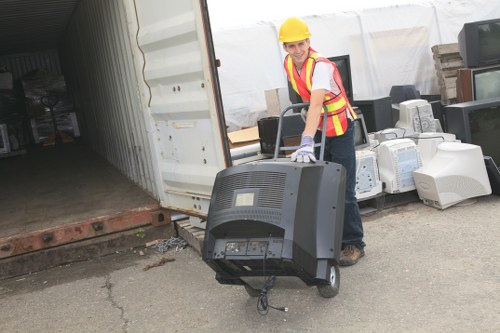
Many house clearance projects are made up of more than the obvious living spaces. Lofts, garages and storage corners often hold the items that have been left for later, from old boxes and seasonal belongings to broken furniture or long-forgotten household goods. These spaces can be awkward because the contents are mixed, the access is less convenient and the sorting is usually more time-consuming than expected.
A loft clearance may call for attention to safe access and the condition of the stored items, while a garage clearance often involves heavy or dusty contents that have built up over time. These areas are not always tied to the main living rooms, yet they are part of the overall property picture. Clearing them can be useful when a home needs a broader reset rather than a single-room tidy-up.
If you are deciding whether to include these spaces in the same job, it can help to separate them in your notes and identify any items you already know should stay. That makes it easier to describe the work clearly and avoids confusion later. Clear scope, clear access and clear room-by-room priorities usually make this kind of job easier to manage from the outset.
How a quotation is prepared
A house clearance quotation normally depends on a few practical details: the amount of content, the type of items, the ease of access and whether the work covers one room or the whole property. When those points are set out clearly, it is easier to match the quote to the job being asked for. This is especially useful if the property contains a mix of furniture, general clutter and heavy pieces that need special handling.
To help us prepare a useful estimate, it is often enough to outline the rooms involved, note any particularly large or awkward items and say whether the property is occupied, empty or partly cleared already. Photographs can also help when a customer wants to show the scale of the job, although a written list can be just as useful. Keep the description focused on the actual contents and access rather than on broad estimates.
Different jobs naturally produce different levels of work, which is why quotations are usually more reliable when they are based on what is actually in the property. If the job includes separate spaces such as a loft, garage or garden area, mention those individually so that the scope is not underestimated. You can also use our pricing and quotes page to understand how the enquiry process is structured before making contact.
Responsible handling and sorting of contents
Not everything removed during a house clearance belongs in the same category. Some items may be suitable for reuse, some may need disposal and others may simply need separating because they are made up of different materials. Responsible handling begins with that basic sorting. A good clearance service takes care not to treat reusable furniture, ordinary household waste and mixed materials as though they all require the same route.
Where items are in acceptable condition, they can be set aside for an appropriate next step rather than being bundled together with everything else. That is particularly helpful when a property contains a combination of newer items, older furniture and general domestic contents. The practical benefit is a more orderly finish, while the customer benefits from a process that takes the nature of the contents seriously rather than moving them blindly.
We also consider the shape of the job itself. Some clearances are better handled through a phased approach, especially when a property contains rooms that have been used for storage over many years. If you have already sorted certain belongings, tell us that in advance so the quotation reflects what remains. For wider context on handling and disposal routes, read about our recycling and sustainability approach.
House clearance for moves, downsizing and estate work
House clearance is often needed at turning points in a property’s life. That may be before a move, after downsizing, following a long period of storage or when contents need to be dealt with after a change in occupancy. In those situations, the aim is usually to reduce the volume of items in a way that leaves the property easier to manage, view, sell or hand over. The task can be sensitive as well as practical.
Estate-related clearances often involve a fuller mix of contents than routine removals, including furniture, personal belongings, books, household equipment and items stored out of sight. The best approach is usually to separate what should remain in the property from what needs to be cleared, then build the job around those decisions. That keeps the process more controlled and helps avoid accidental removal of things that were meant to stay.
Because different circumstances need different levels of handling, we keep the wording of the enquiry simple and practical. A few clear notes about the property and contents are usually more helpful than a long explanation. If the work relates to a move or a property handover, please mention the timing as part of your initial enquiry. Our home clearance service may also be useful where the job extends beyond a single room.
About Willesden
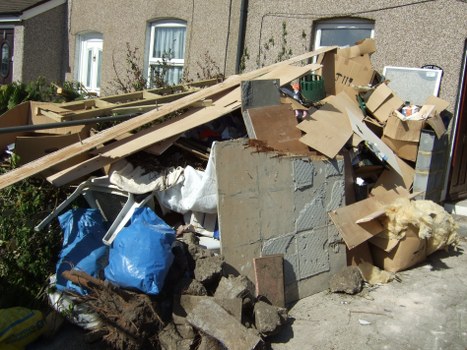
Willesden is a district in northwest London, situated within the London Borough of Brent, and it has long been shaped by a mix of residential streets, transport links and local centres. The area includes Willesden Green, Dollis Hill and Neasden nearby, while the name Willesden itself is commonly associated with Willesden Green station and the broader neighbourhood around High Road and the surrounding streets. Its development accelerated during the nineteenth century as London expanded, bringing new housing, public buildings and civic institutions into what had once been a more rural settlement on the edge of the capital. The area’s older churches, terraces and interwar housing reflect that layered history, and the street pattern still shows how the district grew in stages rather than all at once.
One of the best-known landmarks connected with the district is Willesden Jewish Cemetery, established in the nineteenth century and now recognised for its historic significance. The area is also close to Gladstone Park, a large open space on the edge of the neighbourhood that offers wide views over London on clear days. Nearby transport has long influenced the district’s character, particularly the growth around the railway and Underground connections. Local streets mix everyday shopping parades, schools, places of worship and residential roads, creating a part of northwest London that feels both urban and distinctly local. The area’s built environment includes later Victorian terraces, mansion blocks, post-war housing and newer developments, giving the district a varied appearance that reflects successive waves of change across more than a century.
Willesden also has a cultural identity shaped by migration, trade and local community life. Markets, independent shops and familiar high streets have helped the area maintain a strong neighbourhood feel even as the wider borough has changed. Several routes link it closely with neighbouring parts of Brent and the surrounding London districts, while the repeated cycles of rebuilding, infill and renewal have left it with a broad architectural mix. That combination of transport, housing and community facilities makes the district recognisable within northwest London, with ordinary residential streets sitting alongside places of worship, green spaces and historic burial grounds that each add a different layer to the place’s story.
Office and business waste removal
Although this page focuses on house clearance, some customers need a related service for business premises, storage rooms or small office spaces. Office waste removal is usually less about domestic furniture and more about desks, filing, packaging, redundant equipment and general workplace clutter. The practical aim is similar: to clear space in an orderly way while keeping usable items separate from material that needs disposal.
Business waste jobs often benefit from a simple inventory because offices can contain a variety of mixed contents. That may include furniture, archive material, shelving and items that are no longer needed after a move or refurbishment. We keep the process practical and straightforward, with attention to access, item type and the amount of work involved. If the clearance includes both home and business contents, it is useful to describe each part clearly so the quotation stays accurate.
For customers comparing options, it can help to think about whether the job is best grouped with household clearance or treated as a separate premises clearance. See our office clearance service if the main task is centered on workplace contents rather than domestic rooms.
What to include when you request a quote
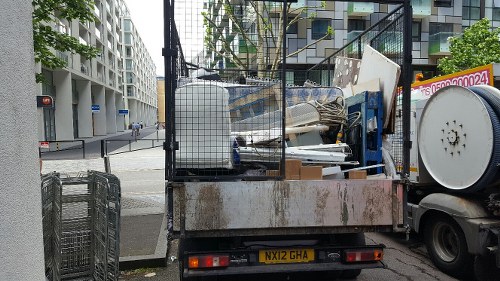
A useful quotation starts with a useful description. The most helpful details are the rooms involved, the main item types, whether the property is upstairs or downstairs and any access issues that could affect how the work is carried out. If the contents include especially large, heavy or awkward pieces, it is worth naming them separately. That gives a clearer picture of the work than a brief note such as “full clearance†on its own.
It can also be helpful to mention whether the property is already partly emptied, whether there are items you definitely want to keep and whether any spaces such as lofts, garages or sheds are included. If you have photographs, they can support the description, but they are not the only way to explain the job. The key is to provide enough detail for the clearance to be understood properly without turning the enquiry into a long conversation before it needs to be one.
Request a quotation when you are ready, and include the practical points that will help us understand the work. If you prefer to look at related services first, the site also includes pages for furniture clearance, flat clearance and garden clearance, each of which covers a different type of job.